Kubernetes platforms
Internal platforms that product teams build on, from a PaaS built the hard way on AWS to EKS Auto Mode, with custom operators, Cilium networking and Kong at the edge.
Zee McSparronSenior Systems Engineer at Tray.ai, UK
Over ten years of platform engineering and SRE, with Kubernetes in production since 2017. Now I put that old-school knowledge to work steering AI agents: AI factory pipelines, agent systems and the platforms that hold an AI ecosystem together.
Products and tools I've built and deployed, scheduled like workloads on my own little cluster. Most are free to use and several are open source.
Kubernetes, the foundationAgent traffic, the new era
| name | status | what it does | open |
|---|---|---|---|
| BlipLite | Beta | Sits between your monitoring and your pager. Groups noisy alerts, explains them with AI and applies your paging rules before anyone gets woken up. | Open site for BlipLite (opens in a new tab) |
| Packet Voyage | Running | Shows the real route your web requests take around the world, who a site shares your data with, and how fast it loads from 45 cities. | Open site for Packet Voyage (opens in a new tab) |
| Webhook Inspector | Running | Capture, inspect and replay webhooks, and forward them to localhost from your terminal. Open source. | Open site for Webhook Inspector (opens in a new tab)Source code for Webhook Inspector (opens in a new tab) |
| Moodswing | Running | Builds a 20-track Spotify playlist from your mood, energy, genre and era, with a reason for every song. | Open site for Moodswing (opens in a new tab) |
| Year in Commits | Running | Your GitHub year in review: streaks, top repos, languages and your coding archetype. No sign-in needed. | Open site for Year in Commits (opens in a new tab) |
AI didn't replace the fundamentals; it made them matter more. A decade of platform engineering is what lets me point agents at real infrastructure and trust what comes back.
The old-school craft that still holds everything up.
Internal platforms that product teams build on, from a PaaS built the hard way on AWS to EKS Auto Mode, with custom operators, Cilium networking and Kong at the edge.
Open-source charts I maintain. kube-arr runs a whole media stack (Sonarr, Radarr, Prowlarr, plus Plex, Jellyfin or Emby) on one shared volume, and can send each transcode to its own pod, even on a GPU node. kube-rclone mounts any rclone remote, from Google Drive to S3, on every node. kube-owasp-zap runs OWASP ZAP scans as Jobs or scheduled CronJobs, with locked-down pods.
helm repo add simplyzee https://charts.simplyzee.devSRE and security practice that keeps services up: useful dashboards, alerts that mean something, sensible on-call, and security principles teams can follow.
I started as a software engineer and still build my own products, from Go services and Kubernetes operators to full-stack web apps.
Where that craft goes next: agents doing real work, safely.
Agents that plan, use tools and hand work to each other, with clear boundaries, human checkpoints where they matter, and logs you can actually follow.
Pipelines where agents take on real project work, from writing and reviewing changes to managing Terraform, built with the same CI/CD discipline I've applied to human teams for years.
Connecting models, agents, data and the tools a team already uses into one secure system, with in-house MCP servers and skills that give agents safe access to real infrastructure.
From writing software to leading platform teams, always on the infrastructure that other engineers depend on.
Now
Leading cloud infrastructure: rebuilding older systems the modern way, shaping the team's roadmap and cost strategy, and bringing AI into how the platform team works.
From 2020
Led the company's platform: GKE and GCP managed with Terraform through Atlantis, Kubernetes operators that automated onboarding and permissions, audited infrastructure changes, and reliability work with product teams.
2018 to 2020
Helped companies adopt Kubernetes as their platform, working alongside Google Cloud's engineers, and taught Kubernetes at Google's London academy, from first steps to advanced wargaming.
2018
Moved a fintech from self-managed Kubernetes on AWS to Kops, gave engineers self-serve CI/CD, rolled out Istio and Ambassador for microservices, and built monitoring and on-call alerting.
2017 to 2018
Built a Kubernetes PaaS on AWS with Terraform, Puppet and Vault, moved production services onto it, and automated security scanning in the delivery pipeline.
2015 to 2017
Built early versions of Meerkat Movies and the Meerkat rewards hub, with test-driven development and security checks built into delivery.
Short write-ups of real problems: what broke, how I found it, and what I'd check first next time.
React error 418 on every production page load, invisible to visitors. The cause was one line in a diagram.
How kube-arr swaps a media server's transcoder for a dispatcher that runs each transcode as its own pod, and cleans those pods up even when the dispatcher is killed.
An executable that exists, is executable, and still fails with "No such file or directory". The cause was a relative ELF interpreter.
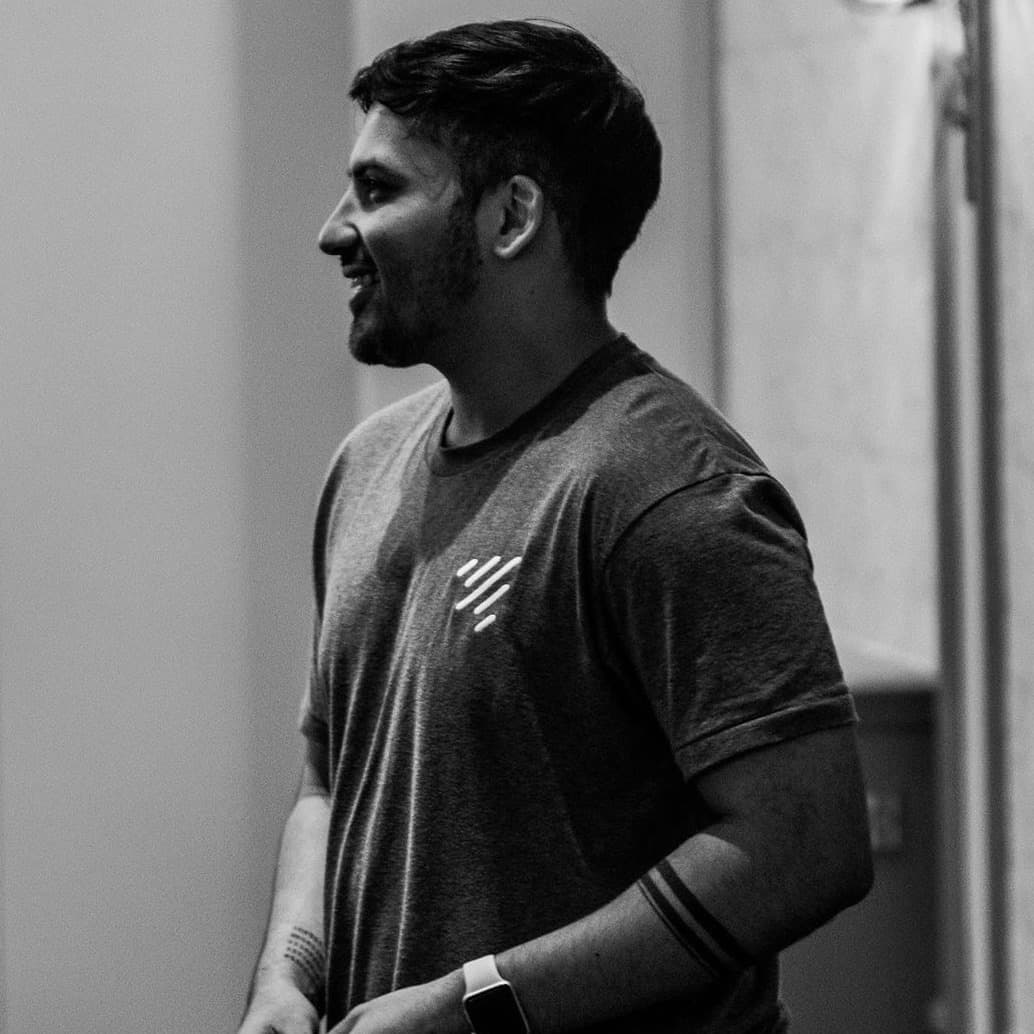
I've spent my career in the cloud native world: building platforms at comparethemarket.com, Curve and Jetstack, teaching Kubernetes at Google's London academy, and now leading cloud infrastructure at Tray.ai. I bring the same discipline to AI: agent systems and the ecosystem around them should be as dependable as any other production service.
I'm happy to talk agents, AI factory engineering, Kubernetes and reliability. Email is the fastest way to reach me.
Or ask your agent. This site runs a read-only MCP server with my projects, skills and experience, and there's an llms.txt too.
claude mcp add --transport http simplyzee https://simplyzee.dev/mcp